Healing Beyond Words
Sometimes we can understand why we feel anxious, overwhelmed, or stuck, yet our bodies continue to react as if the danger is still present. Trauma, chronic stress, grief, and painful life experiences are often stored not only in our memories but also within our nervous system. Brainspotting is a gentle yet powerful therapy that helps your brain and body process these experiences at a deeper level, allowing true healing to occur.
At Mindful Inceptions, I offer Brainspotting as part of an individualized treatment approach for clients seeking relief from trauma, anxiety, depression, performance challenges, and emotional distress. Every session is tailored to your unique needs, creating a safe space where healing can unfold at your own pace.
What is Brainspotting?
Brainspotting is an evidence-informed, brain-body therapeutic approach developed by Dr. David Grand. It is based on the understanding that “where you look affects how you feel.”
During a Brainspotting session, we work together to identify a specific eye position, known as a “brainspot,” that connects with the area of the brain where emotional experiences and trauma are stored. While maintaining focus on this point, your brain naturally begins processing unresolved experiences that may have been difficult to access through traditional talk therapy alone.
Rather than forcing change, Brainspotting allows your brain’s natural healing abilities to do what they were designed to do—process, integrate, and heal.
How Trauma Affects the Brain
Trauma isn’t simply what happened to you—it is how your nervous system responded to overwhelming experiences.
When we experience trauma, the thinking part of the brain often becomes overwhelmed while the survival parts of the brain take over. Even long after the event has passed, the body may continue responding as though the danger is still happening.
This can lead to symptoms such as:
- Anxiety and panic attacks
- Hypervigilance
- Chronic stress
- Depression
- Emotional numbness
- Difficulty trusting others
- Flashbacks or intrusive memories
- Sleep disturbances
- Feelings of being “stuck”
- Low self-esteem
- Relationship difficulties
- Physical tension or chronic pain
Brainspotting helps access these deeper brain regions where trauma is stored so the nervous system can begin releasing what it has been holding onto.
What Happens During a Session?
Every Brainspotting session is unique because every person heals differently.
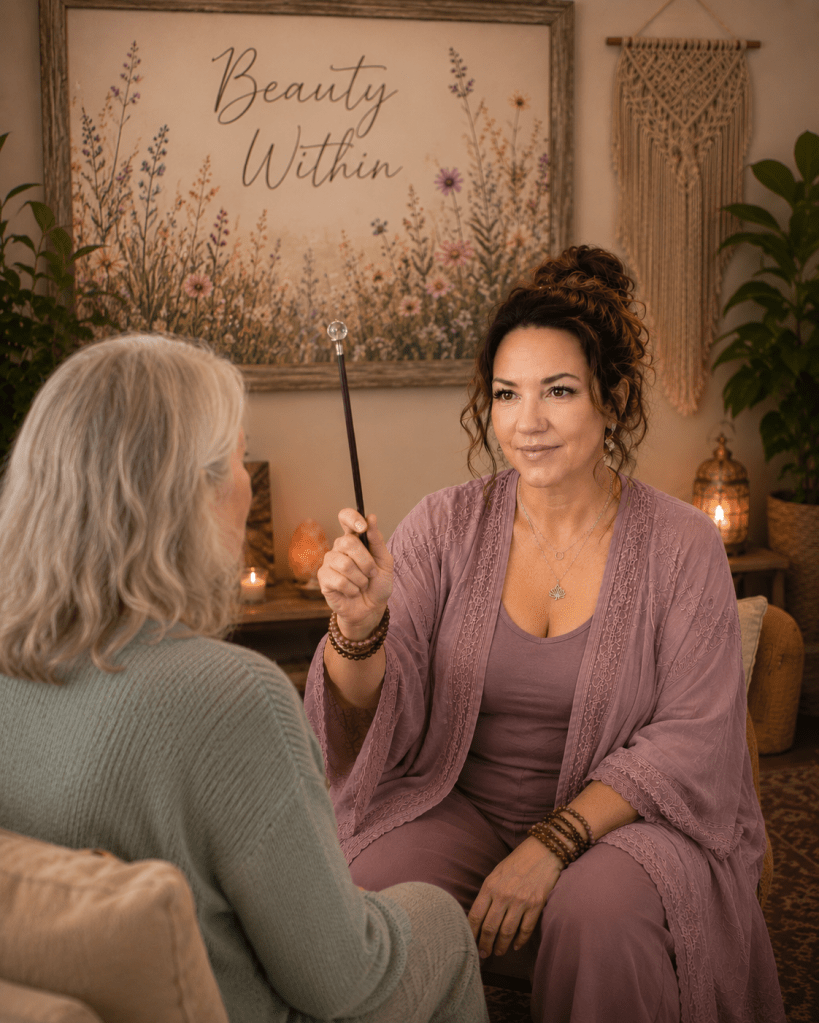
We begin by discussing what you would like to work on and identifying where you notice the emotions or sensations in your body. Using a specialized pointer, I help guide your visual field until we locate a brainspot connected to the experience.
As you focus on that point, you simply notice whatever arises—thoughts, memories, emotions, body sensations, or images. There is no pressure to “perform” or even talk continuously. Many clients appreciate that Brainspotting allows healing without needing to retell every detail of painful experiences.
Throughout the session, I remain present with you, providing a calm, attuned, and supportive therapeutic relationship while your brain processes naturally.
Conditions Brainspotting May Help With
Brainspotting has been helpful for many individuals experiencing:
- Trauma and PTSD
- Childhood trauma
- Complex trauma (C-PTSD)
- Anxiety disorders
- Panic attacks
- Depression
- Grief and loss
- Attachment wounds
- Chronic stress and burnout
- Medical trauma
- Performance anxiety
- Relationship difficulties
- Emotional regulation challenges
- Self-esteem concerns
- Life transitions
- Creative blocks
- ADHD-related emotional regulation
- Phobias
- Chronic pain associated with emotional stress
Brainspotting and the Nervous System
Healing isn’t simply about changing thoughts—it also involves helping the nervous system feel safe again.
Brainspotting supports your body’s natural ability to regulate itself by calming the fight, flight, freeze, or shutdown responses that often remain activated after trauma.
Many clients report feeling:
- Greater emotional balance
- Reduced anxiety
- Increased resilience
- Improved sleep
- Better emotional regulation
- Greater self-awareness
- Increased sense of calm
- Improved relationships
- Enhanced ability to cope with stress
Healing often continues between sessions as your brain continues integrating what was processed.
Integrating Brainspotting Into Your Treatment
No two healing journeys are the same.
Depending on your goals, Brainspotting may be combined with other evidence-based and holistic approaches offered at Mindful Inceptions, including:
- Ketamine-Assisted Psychotherapy (KAP)
- Cognitive Behavioral Therapy (CBT)
- Dialectical Behavior Therapy (DBT)
- Mindfulness-Based interventions
- Acceptance and Commitment Therapy (ACT)
- Cognitive Functional Dynamic Therapy (CFDT)
- Yoga Therapy
- Breathwork
- Meditation
- Sound Healing
- Expressive Arts Therapy
- Play Therapy (for children)
- Person-Centered Therapy
By integrating multiple therapeutic approaches, treatment can be personalized to meet your emotional, psychological, physical, and neurological needs.
Is Brainspotting Right for You?
Brainspotting may be beneficial if you:
- Feel stuck despite years of therapy.
- Know why you struggle but still feel emotionally triggered.
- Experience anxiety that seems difficult to explain.
- Carry unresolved trauma or childhood experiences.
- Feel disconnected from yourself or others.
- Want a therapy that works with both the brain and body.
- Prefer a gentle approach that doesn’t require repeatedly talking through painful memories.
Whether you’re healing from a single traumatic event or years of accumulated stress, Brainspotting offers a compassionate pathway toward lasting healing.
Begin Your Healing Journey
Healing is possible.
You don’t have to continue carrying the weight of past experiences alone. Together, we will create a safe, supportive, and compassionate space where your brain and body can begin the process of healing at a pace that feels right for you.
If you’re curious about Brainspotting or wondering if it’s the right fit for your healing journey, I would be honored to walk alongside you.
 Mindful Inceptions