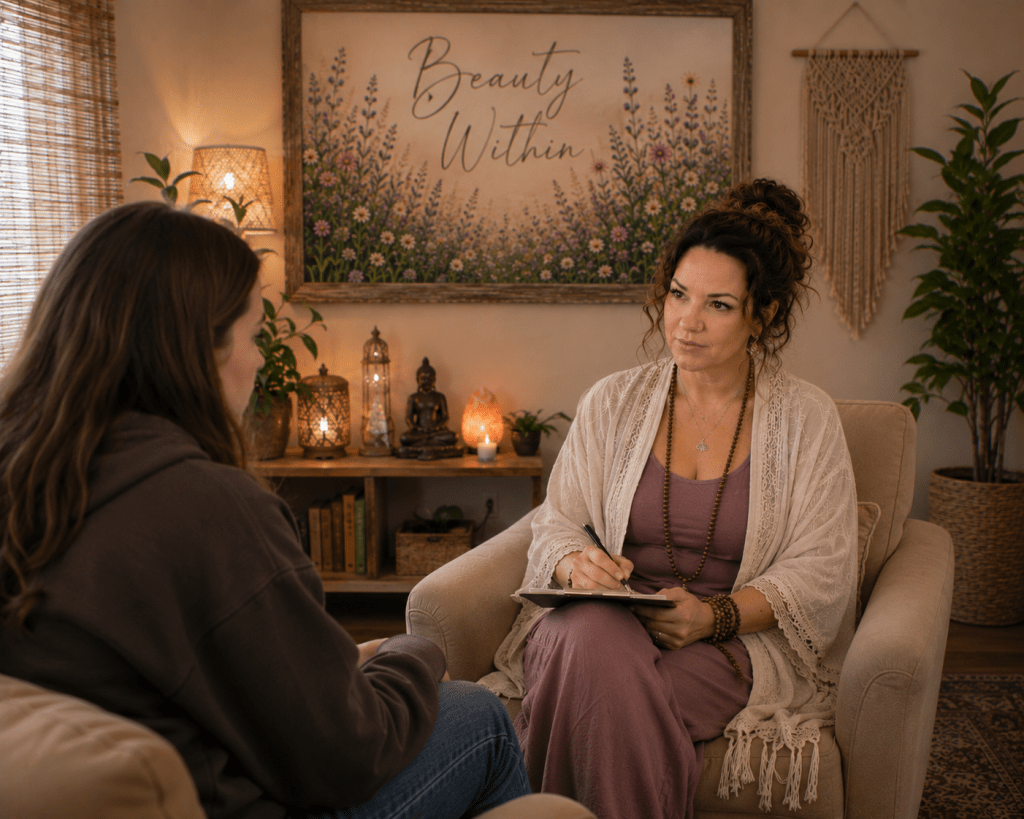
Healing Is Possible
Trauma can affect the way you see yourself, experience relationships, respond to stress, and move through the world. It may show up as anxiety, depression, emotional numbness, intrusive memories, difficulty trusting others, physical tension, sleep problems, or a sense of always being on alert.
With more than 25 years of experience supporting children, adolescents, adults, couples, and families, I provide trauma-informed therapy that recognizes the connection between past experiences, the nervous system, emotional well-being, and present-day patterns.
My goal is not to push you to revisit painful experiences before you are ready. Instead, we will work together to create a sense of safety, stability, choice, and trust throughout the therapeutic process.
A Compassionate and Individualized Approach
Trauma does not look the same for everyone. It can result from a single event, ongoing stress, childhood experiences, complicated relationships, grief, abuse, medical experiences, discrimination, identity-based harm, or years of feeling unseen or unsupported.
I approach trauma therapy with curiosity and compassion rather than judgment. Together, we will explore how your experiences may be influencing your thoughts, emotions, relationships, physical responses, and coping patterns.
You will remain an active participant in your care. We will move at a pace that feels manageable, and you will never be expected to share details before you feel prepared.
Areas I May Help Address
Trauma-informed therapy may be beneficial for individuals experiencing:
- Childhood or developmental trauma
- Relationship or attachment wounds
- Emotional, physical, or sexual abuse
- Grief and significant loss
- Medical trauma
- Anxiety, panic, or chronic stress
- Depression or emotional numbness
- Hypervigilance or difficulty feeling safe
- Shame, guilt, or low self-worth
- Difficulty establishing boundaries
- Repeating relationship patterns
- Dissociation or feeling disconnected
- Identity-related trauma
- Major life transitions
- Caregiver fatigue and burnout
Trauma-Focused Services
Depending on your needs, preferences, and treatment goals, I may incorporate several therapeutic approaches into your care.
Brainspotting
Brainspotting is a focused, body-based therapy that uses visual positioning and mindful awareness to help identify, access, and process emotional and physiological experiences that may be stored within the nervous system.
This approach can be especially helpful when an experience feels difficult to explain through words alone. Brainspotting allows us to work gently with the connection between where you look, what you feel, and how your body responds.
Ketamine-Assisted Psychotherapy
Ketamine-Assisted Psychotherapy, or KAP, combines therapeutic support with ketamine treatment provided through an appropriate prescribing medical professional.
For eligible clients, KAP may create an opportunity to explore emotions, memories, beliefs, and patterns from a different perspective. Preparation and integration are essential parts of the process so that insights from the experience can be meaningfully connected to everyday life.
KAP is not appropriate for everyone. Medical and psychological screening, informed consent, coordination of care, and ongoing safety monitoring are important parts of treatment.
Cognitive and Behavioral Approaches
Cognitive Behavioral Therapy, Dialectical Behavior Therapy, Acceptance and Commitment Therapy, and mindfulness-based practices may be used to help you better understand thoughts, emotions, behaviors, and coping responses.
These approaches can support emotional regulation, distress tolerance, healthier boundaries, improved communication, and the development of more effective coping strategies.
Mindfulness and Body-Based Practices
Trauma is not experienced only through thoughts. It can also affect breathing, muscle tension, sleep, digestion, energy, and the ability to feel calm or present.
When appropriate, therapy may include grounding exercises, meditation, breathwork, gentle movement, restorative yoga, sound healing, guided imagery, and nervous-system regulation strategies.
These practices are always offered as options and adapted to your comfort level.
Expressive and Creative Interventions
Some experiences can be difficult to communicate through conversation alone. Expressive arts, journaling, imagery, sand tray, play-based interventions, and other creative approaches may help clients explore emotions and experiences in a way that feels safer and more accessible.
Safety Comes First
Trauma-informed care is built on emotional and physical safety. During treatment, we will focus on helping you recognize your needs, understand your responses, and build skills that support stability and resilience.
Before moving into deeper trauma processing, we may spend time developing grounding skills, strengthening your support system, identifying triggers, and creating strategies for managing distress.
You will have choices throughout the process. You may pause, slow down, change direction, or decline an intervention at any time.
Supporting the Whole Person
I recognize that healing is influenced by more than symptoms or diagnoses. Your relationships, culture, identity, family history, physical health, spirituality, environment, and lived experiences are all important parts of your story.
My approach is inclusive, affirming, and respectful of each client’s individual identity and background. I welcome clients from diverse communities and strive to provide a space where you can feel seen, heard, and accepted.
Hope Grows With Every Step Toward Healing
Trauma may be part of your story, but it does not have to define your future.
Therapy can help you understand your experiences, reconnect with yourself, strengthen your relationships, develop healthier coping tools, and begin moving toward a greater sense of safety and emotional freedom.
You do not have to work through it alone. Together, we can create a personalized path toward healing, resilience, and meaningful change.
 Mindful Inceptions